
Ru | En
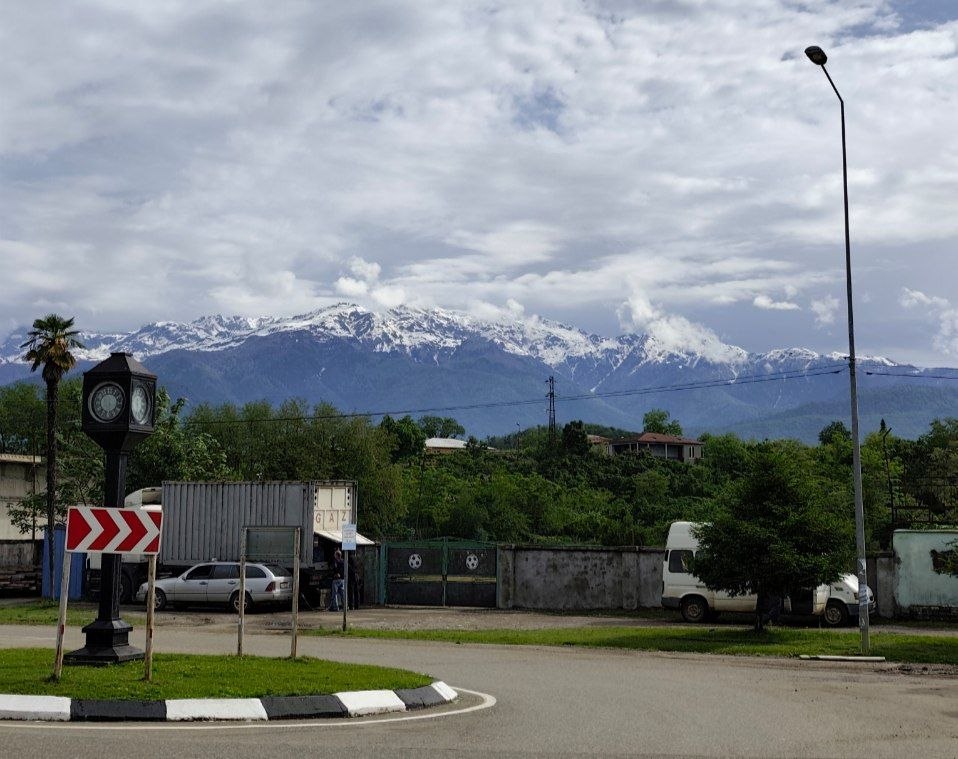
Tsalenjikha is a small town in Western Georgia, in the Megrelia region. During the industrialization period, the emergence of new factories and plants led to the settlement expanding and achieving city status.
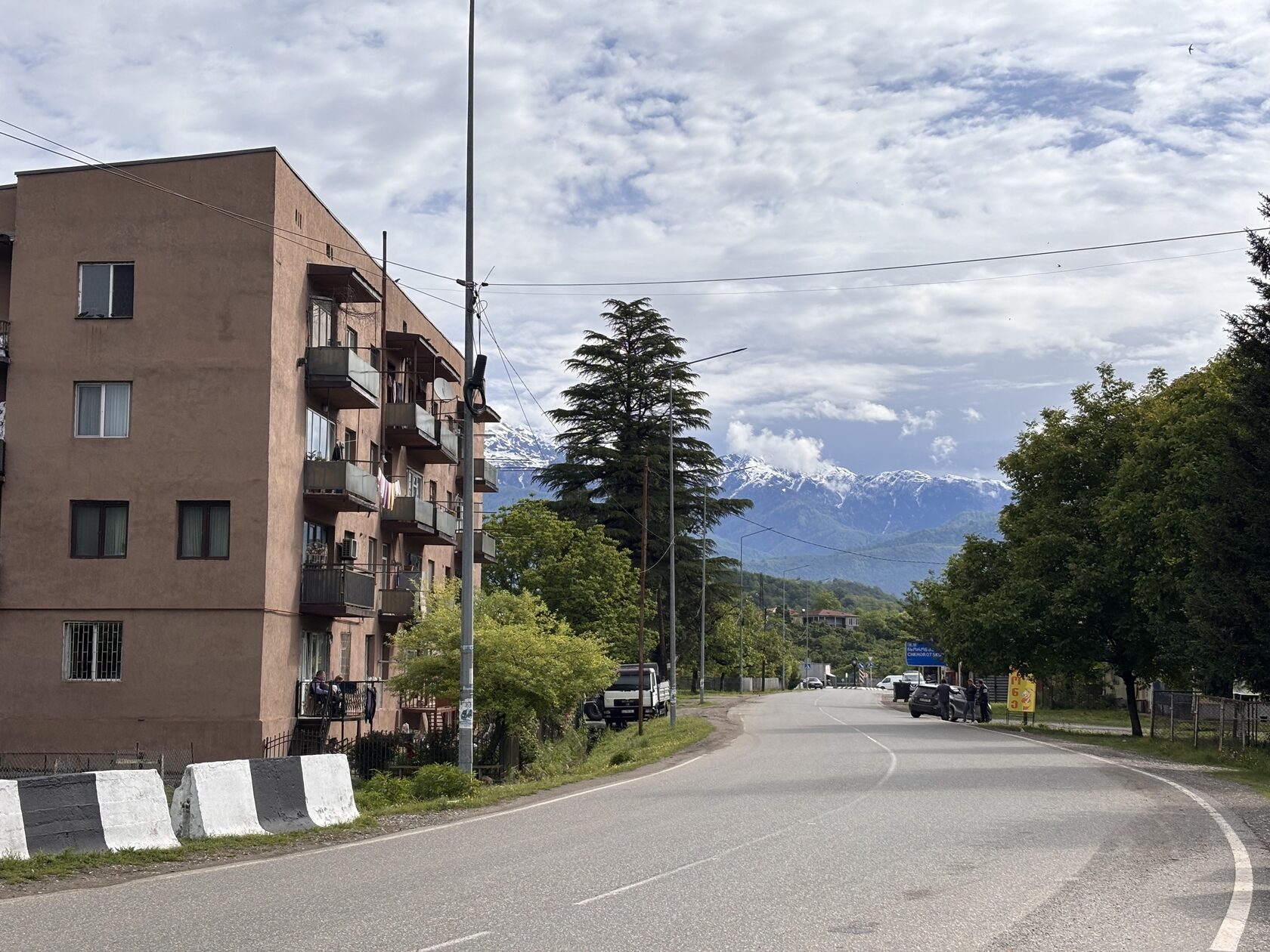
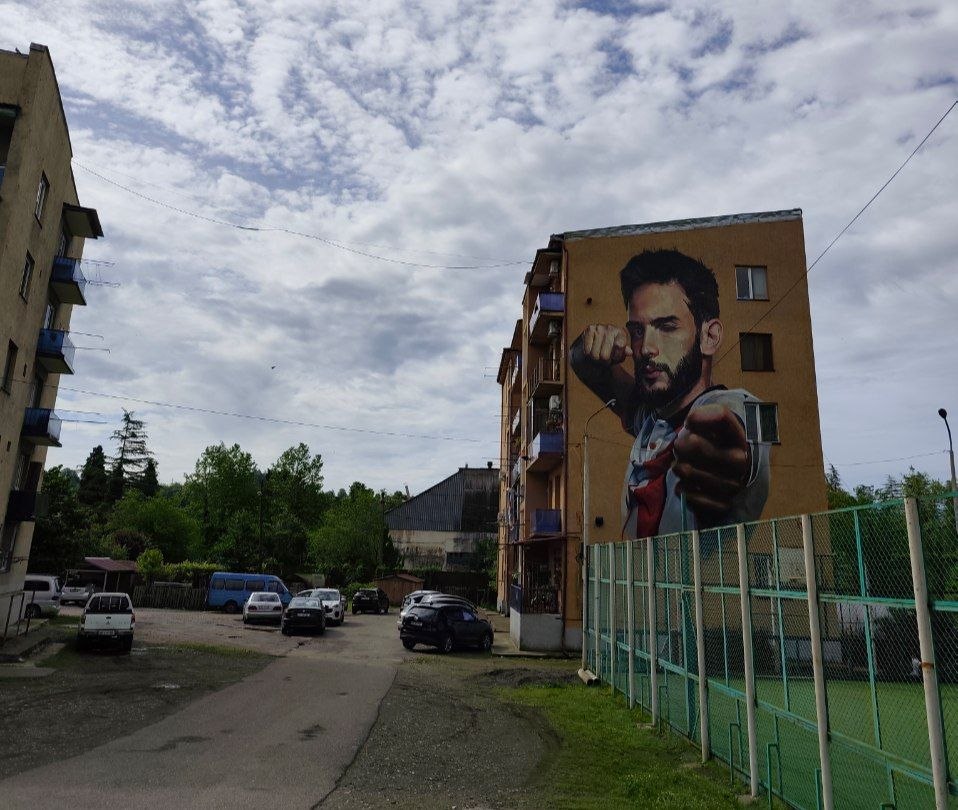
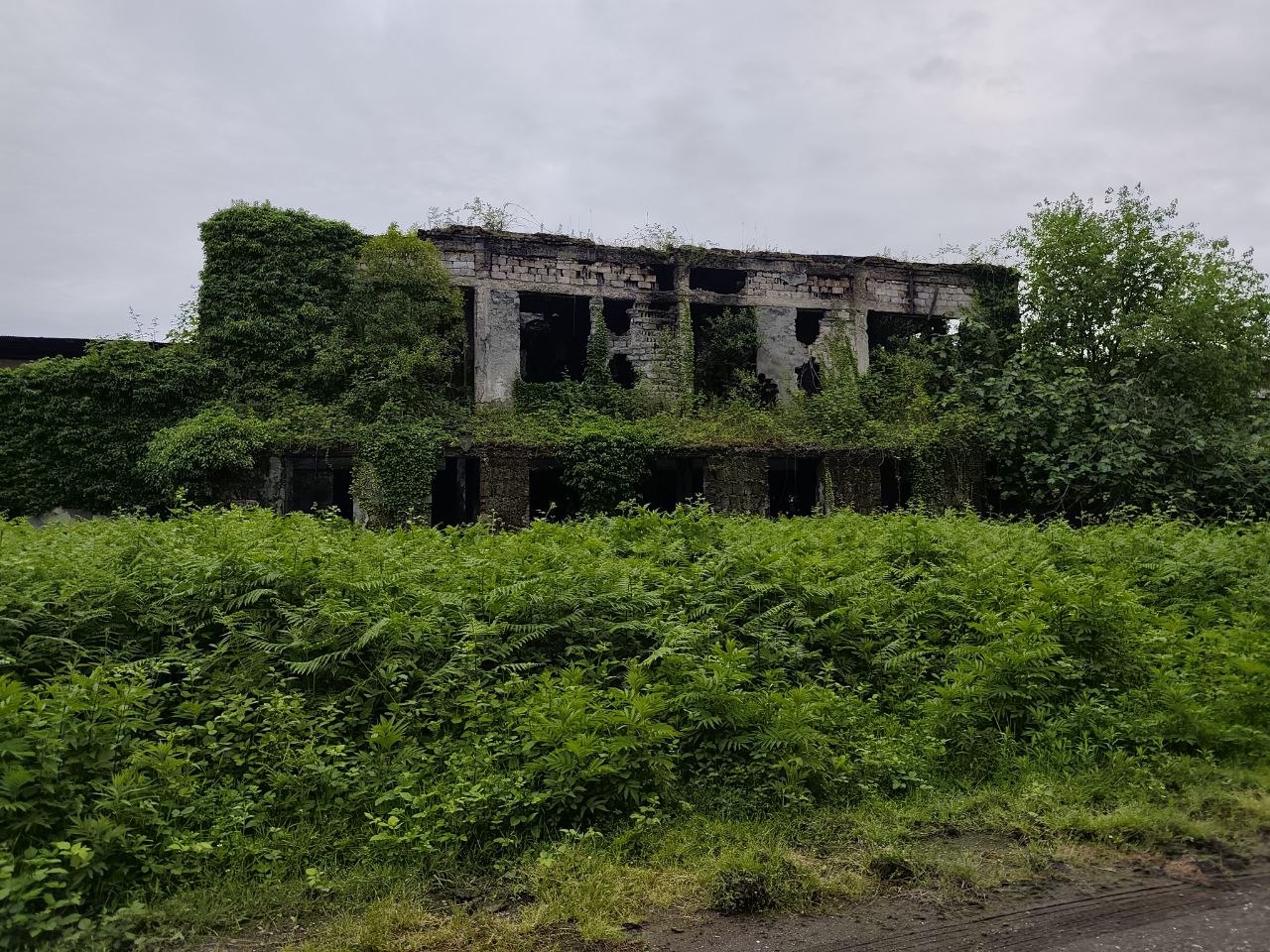
There are not many active factories in this city now, it is quiet and there are a decent number of abandoned factories and houses.
But there are also working industries, tourist destinations, hiking trails and stunning views of the mountain range.
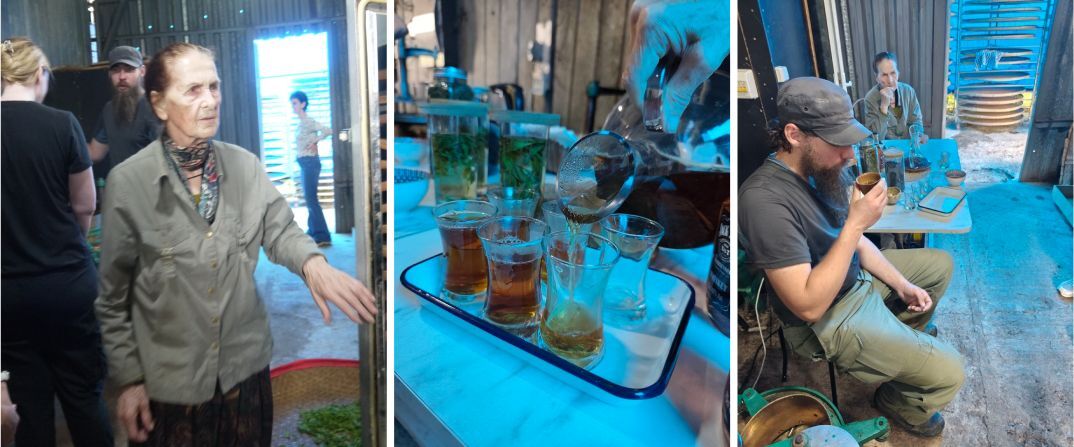
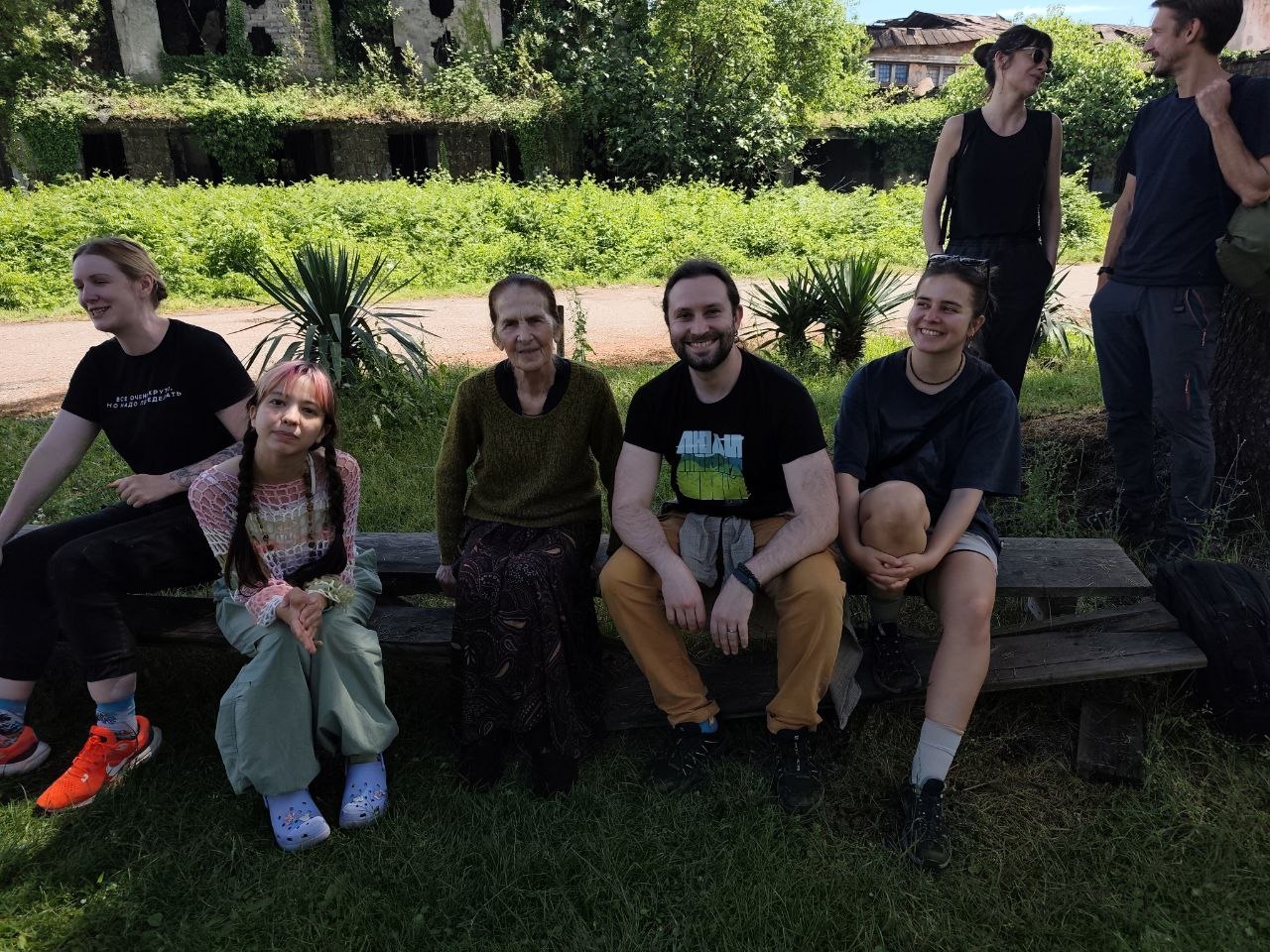
Tsalenjikha is home to the renowned tea grandmother Nargiza Gvinzhilia. She has been making tea since she was 16, trained as a tea technologist during the Soviet era, and has been professionally involved in tea for over 60 years. She has her own small factory, premium tea recipes, and extensive experience in tea production.
I was lucky enough to meet her student Boris, and that’s how the idea for this excursion came about.
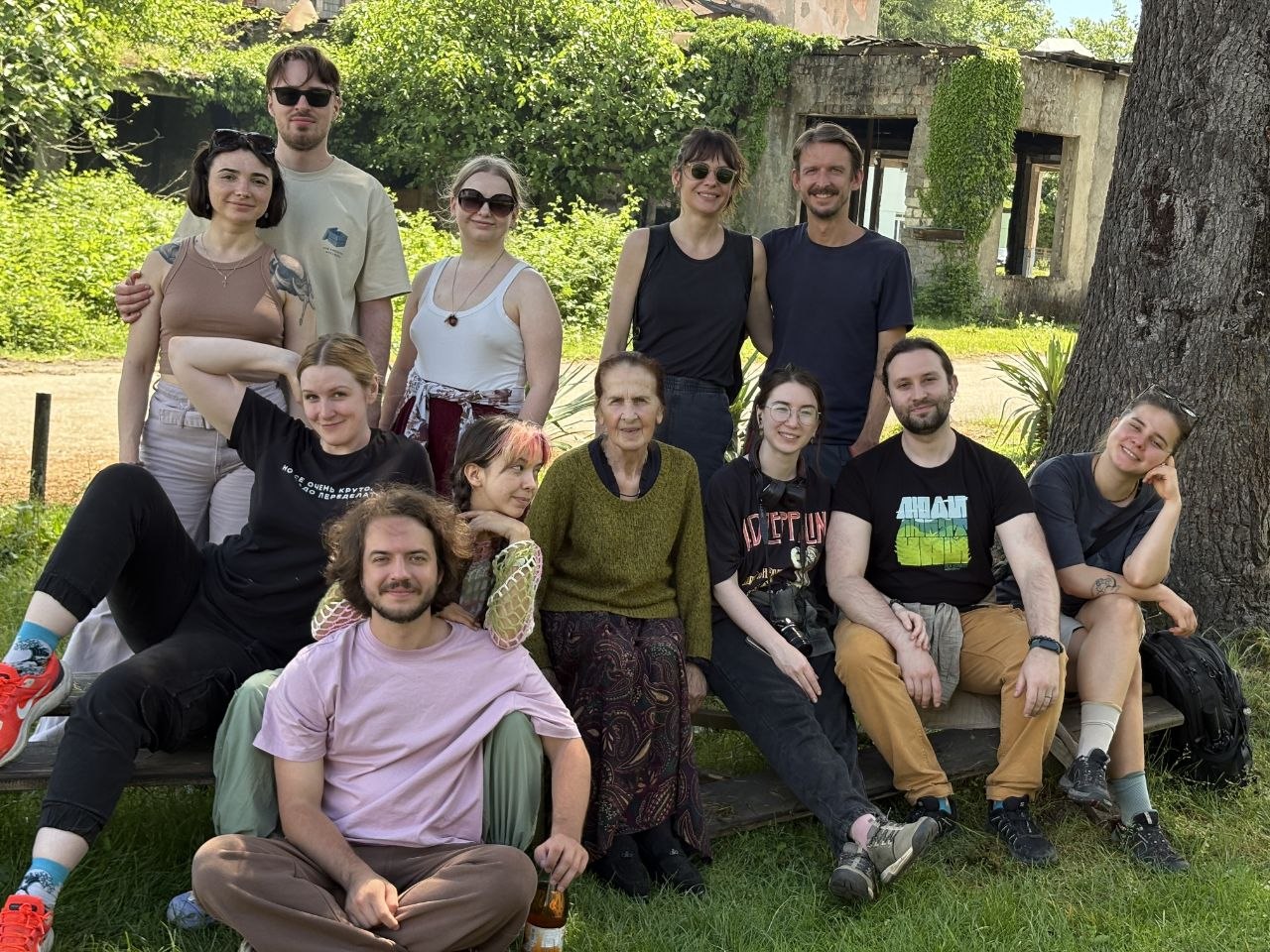
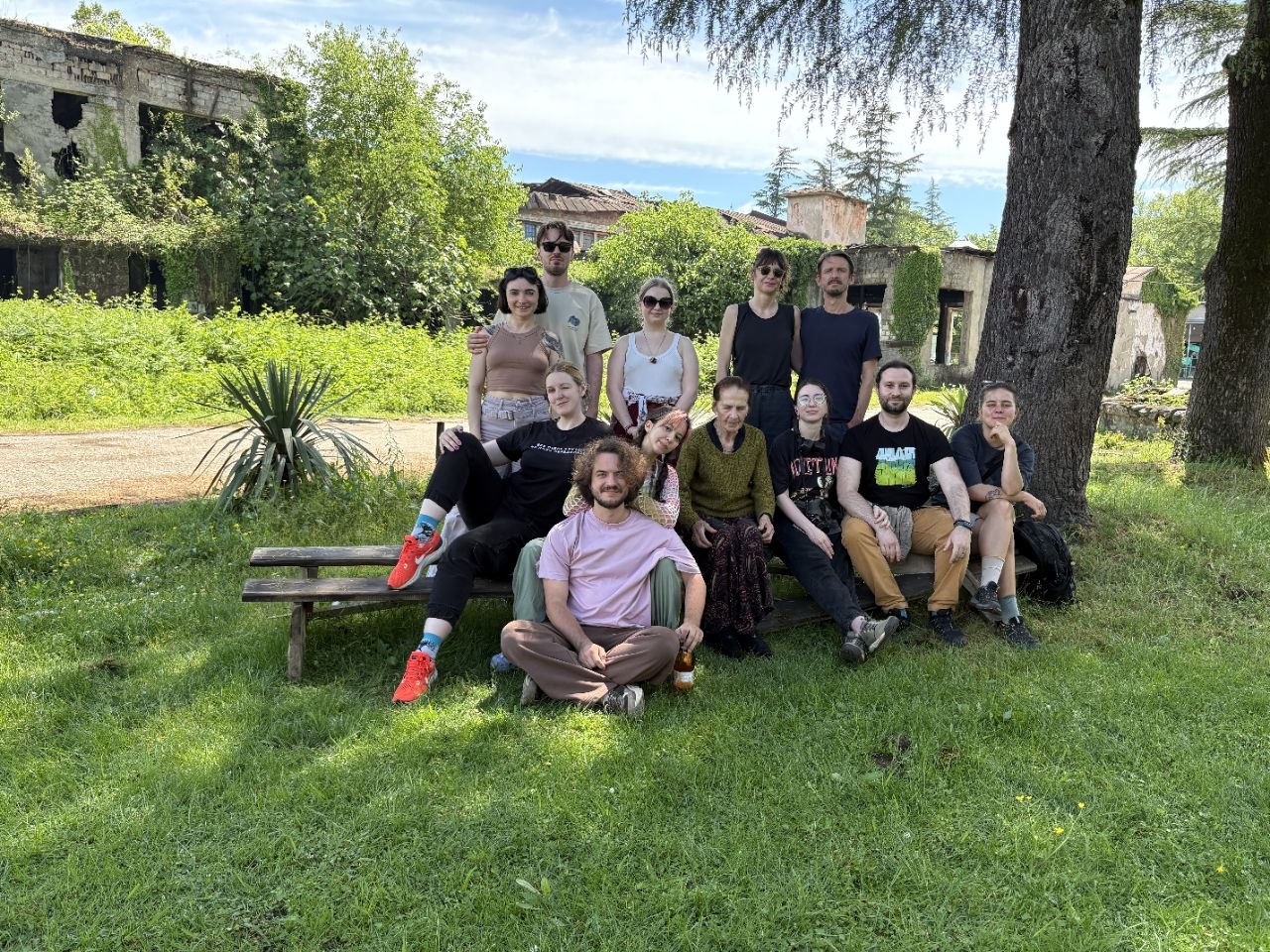
We traveled from May 22nd to 24th, a group of 11 people. We started on Friday, some in the morning, some in the evening.

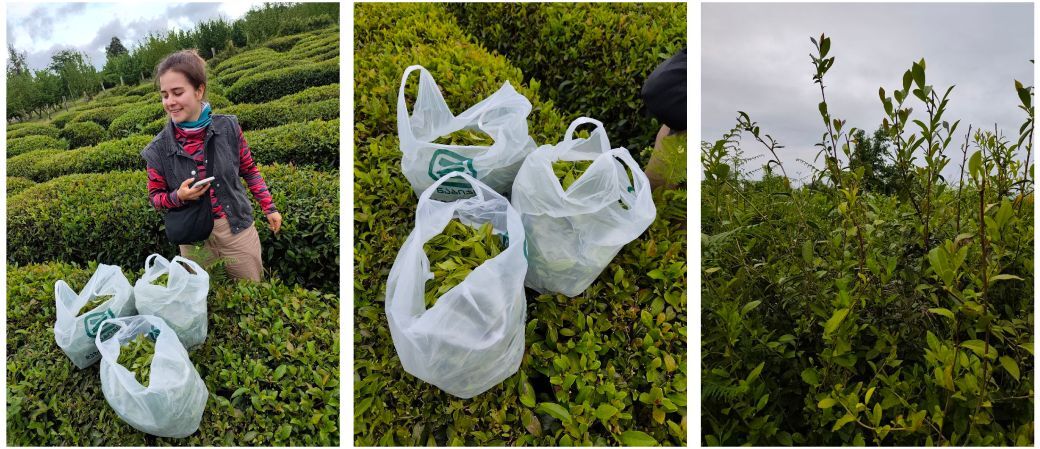
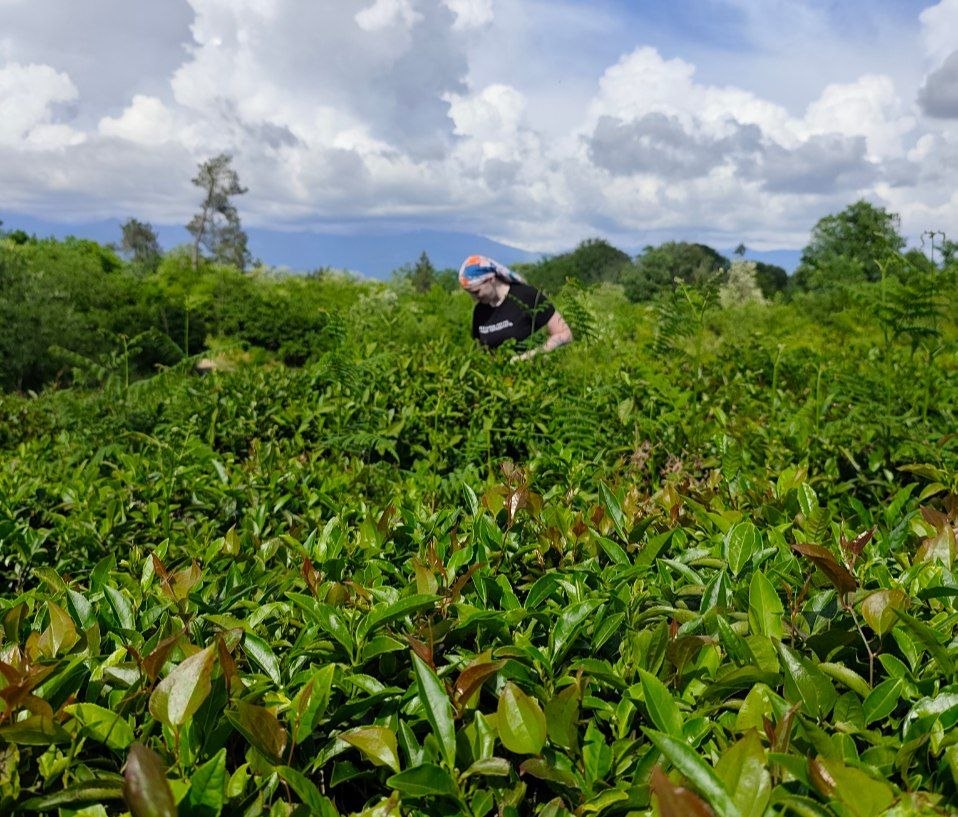
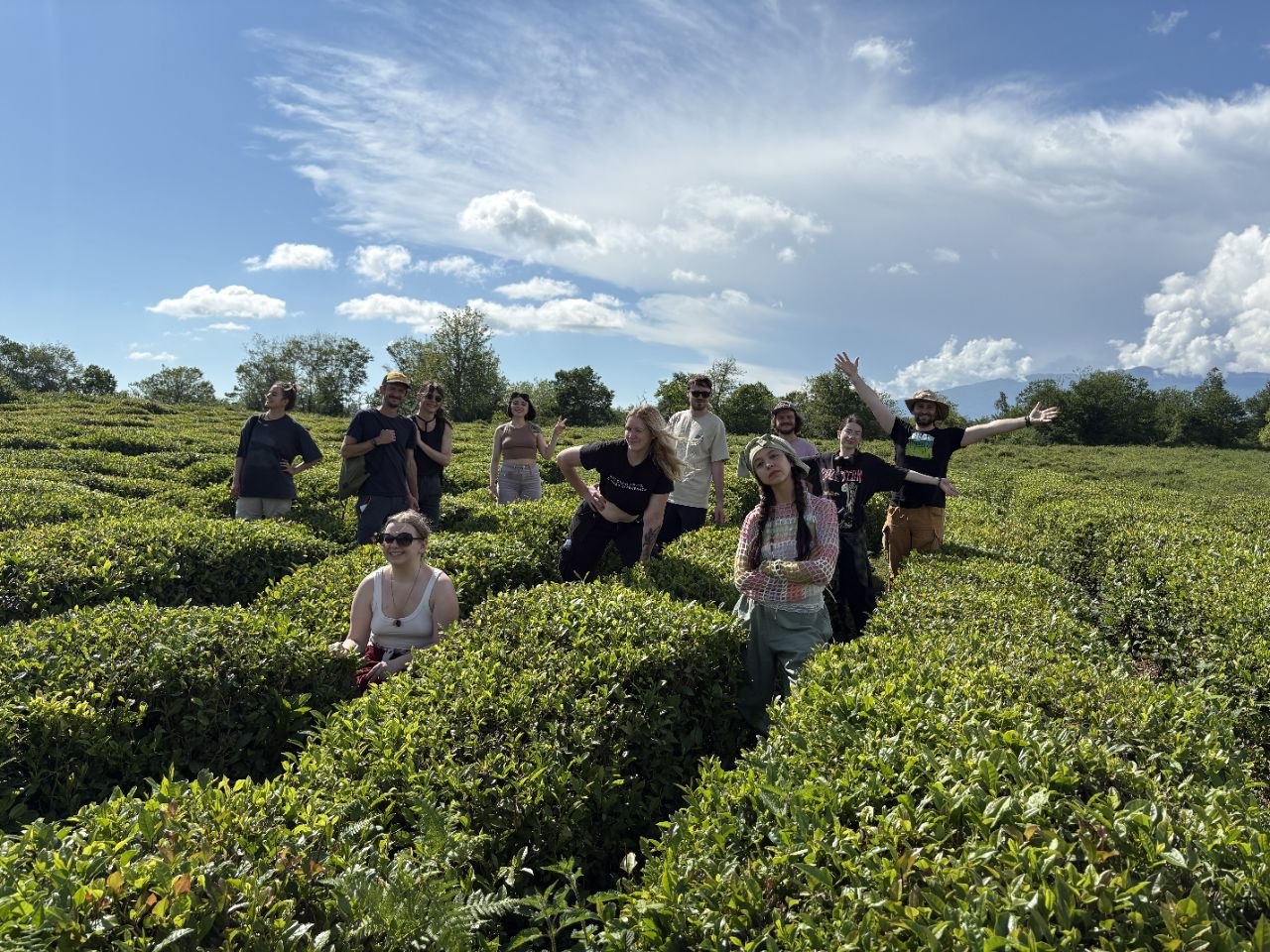
Our morning group, who had arrived early, checked into the hotel, and then we headed to the tea gardens to pick tea. We were lucky with the weather and the time of our arrival, so we had time to practice picking tea and even explore some wild tea bushes nearby.
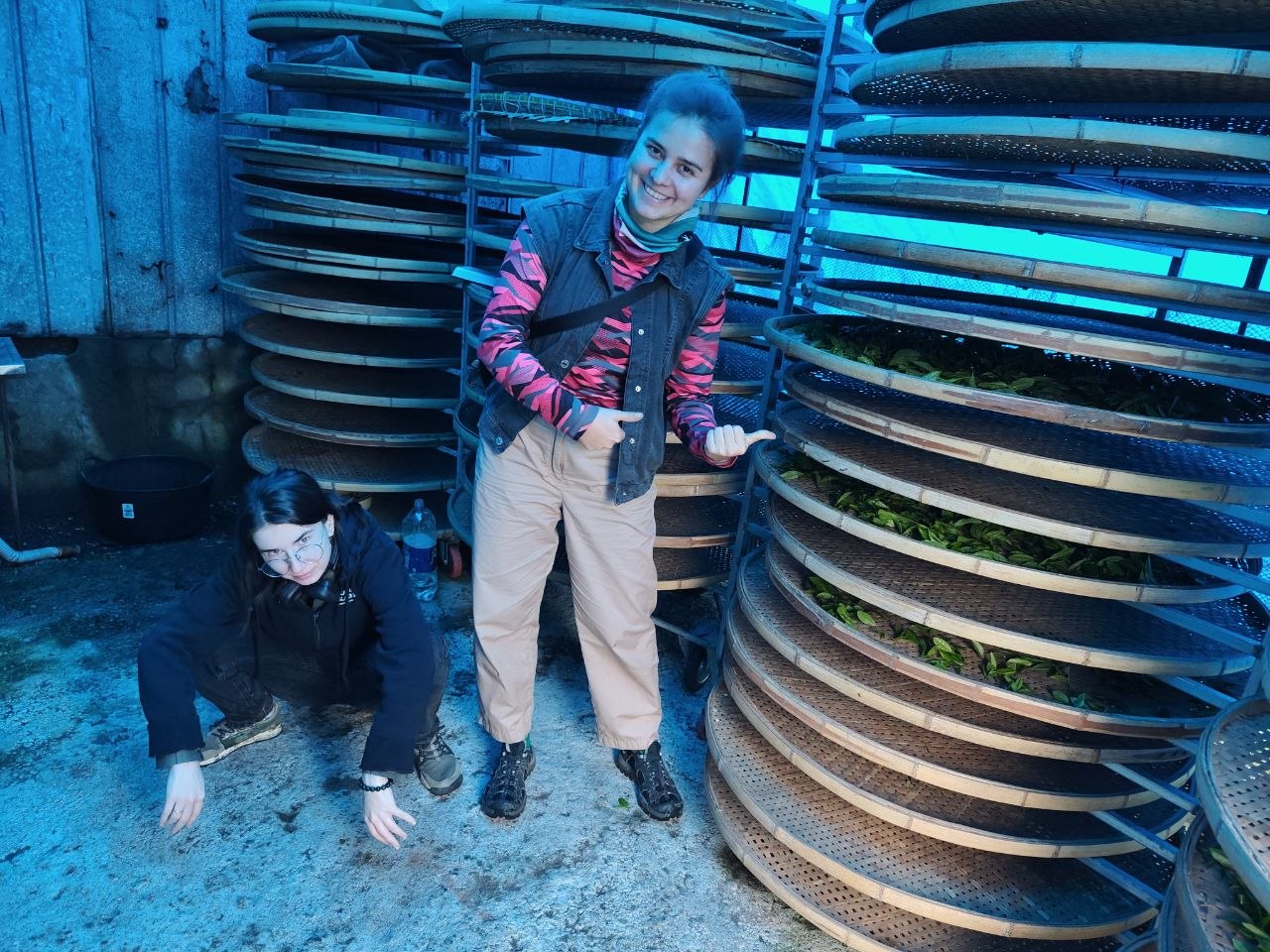
At the factory, we spread the collected tea on bamboo trays to dry overnight.
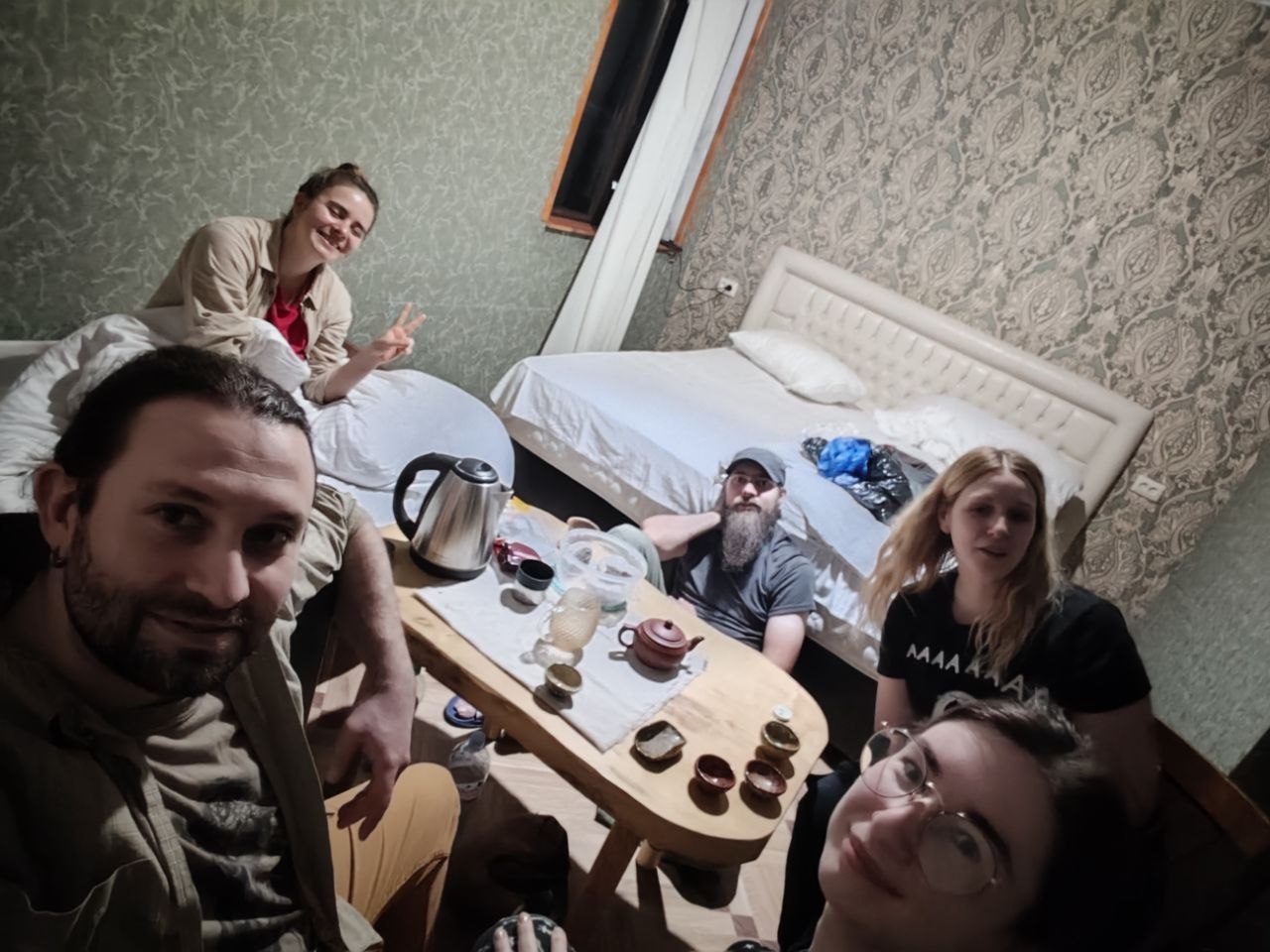
And in the evening we gathered in the largest room to get acquainted and drink tea.
On Saturday morning, after breakfast at a local restaurant, we went to the factory to make tea. Nargiza and Boris met us there. First, we brought out the tea leaves on bamboo trays and laid them out in the sun to dry, regularly turning them over.
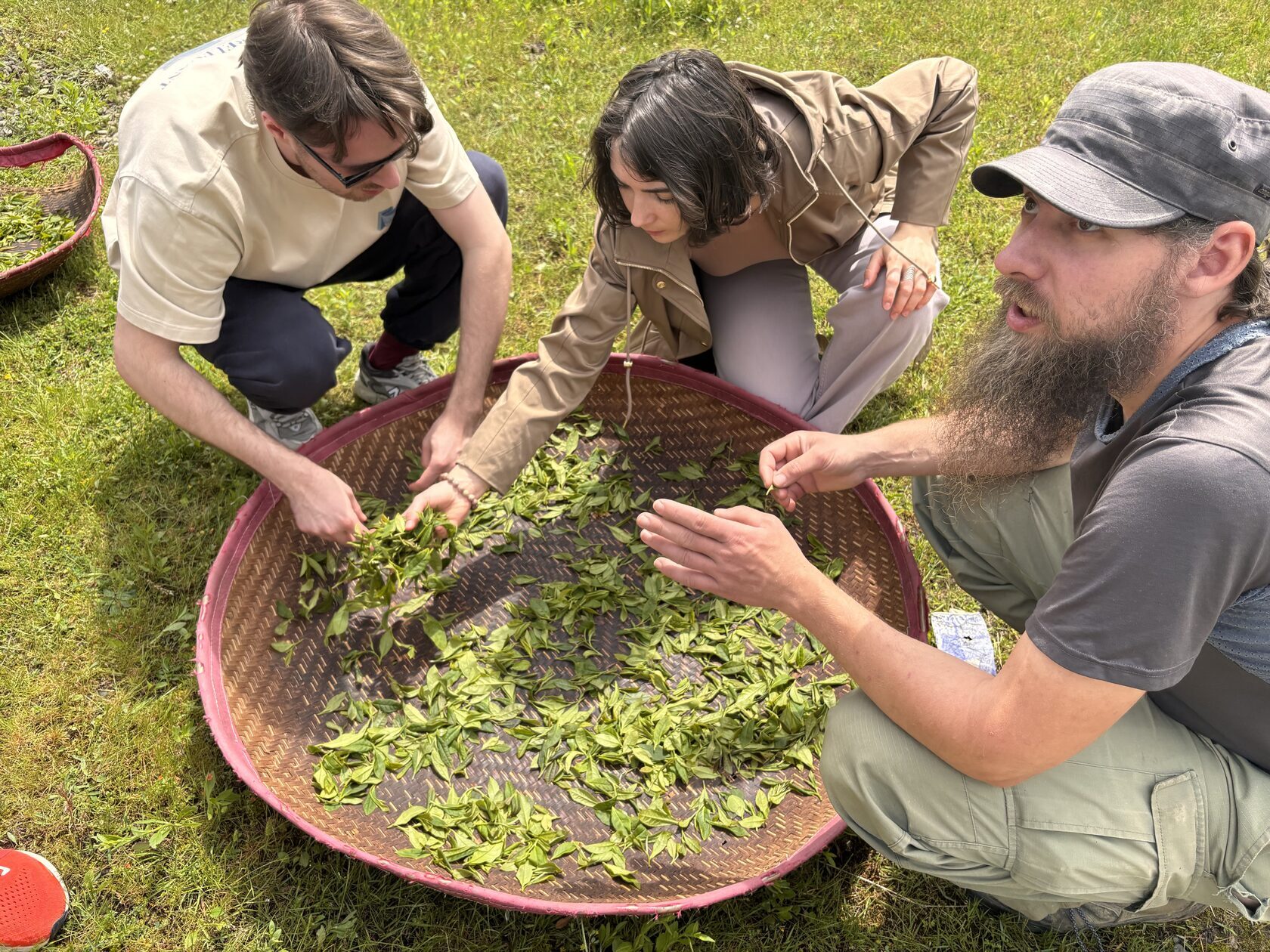
We decided to make red tea "Bouquet" from it.
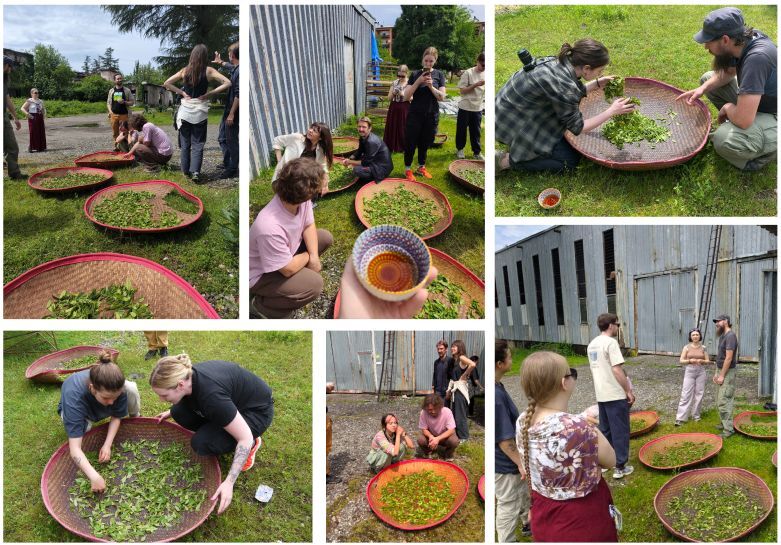
Nargiza treated us to her signature tea during the process; we tried Longjing, Okros Kvirti (golden bud), Emperor, and Bouquet.
Boris told us about the machines in the factory and showed us how longjing is prepared, which is roasted in a special machine and fills the small factory with the smell of fresh green tea.
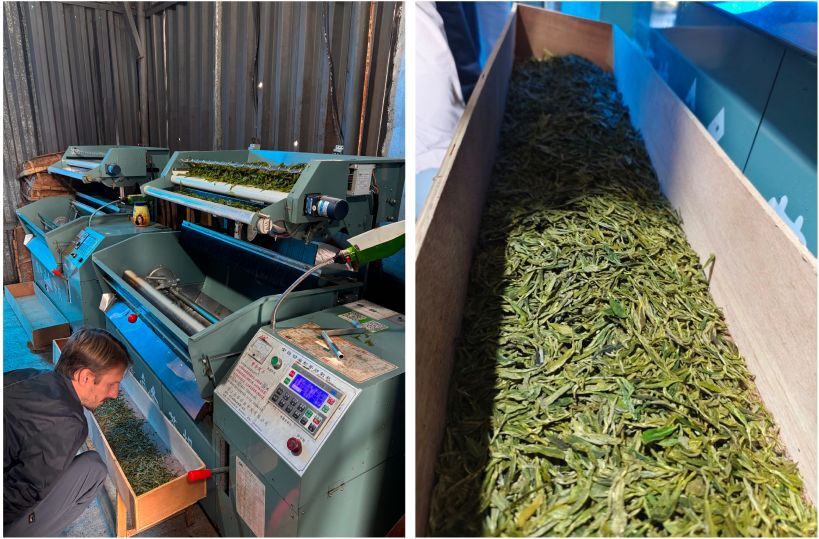
Nargiza's signature tea was being roasted in the tea roaster at the same time.
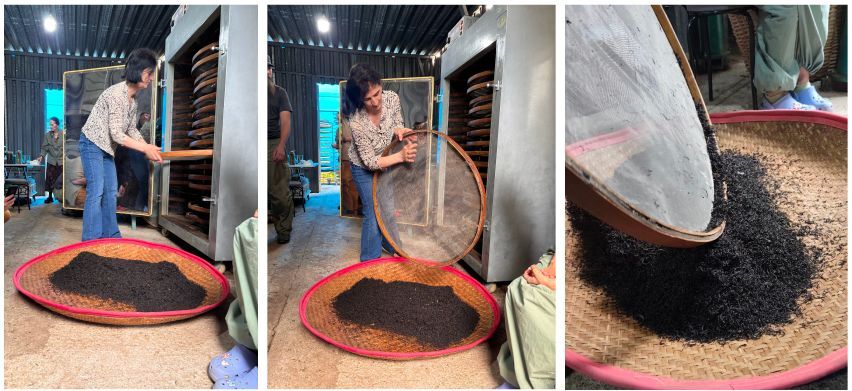
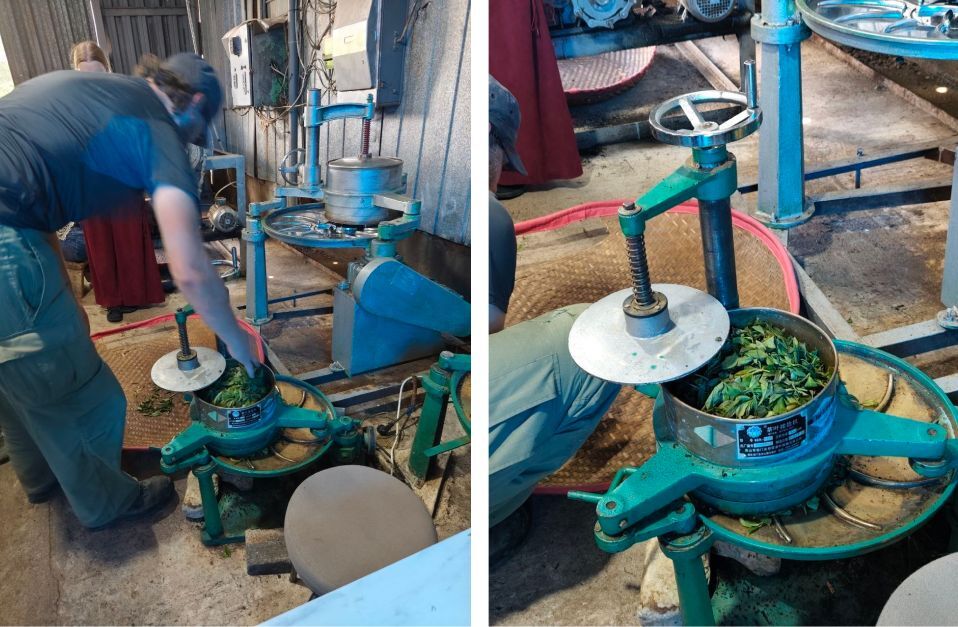
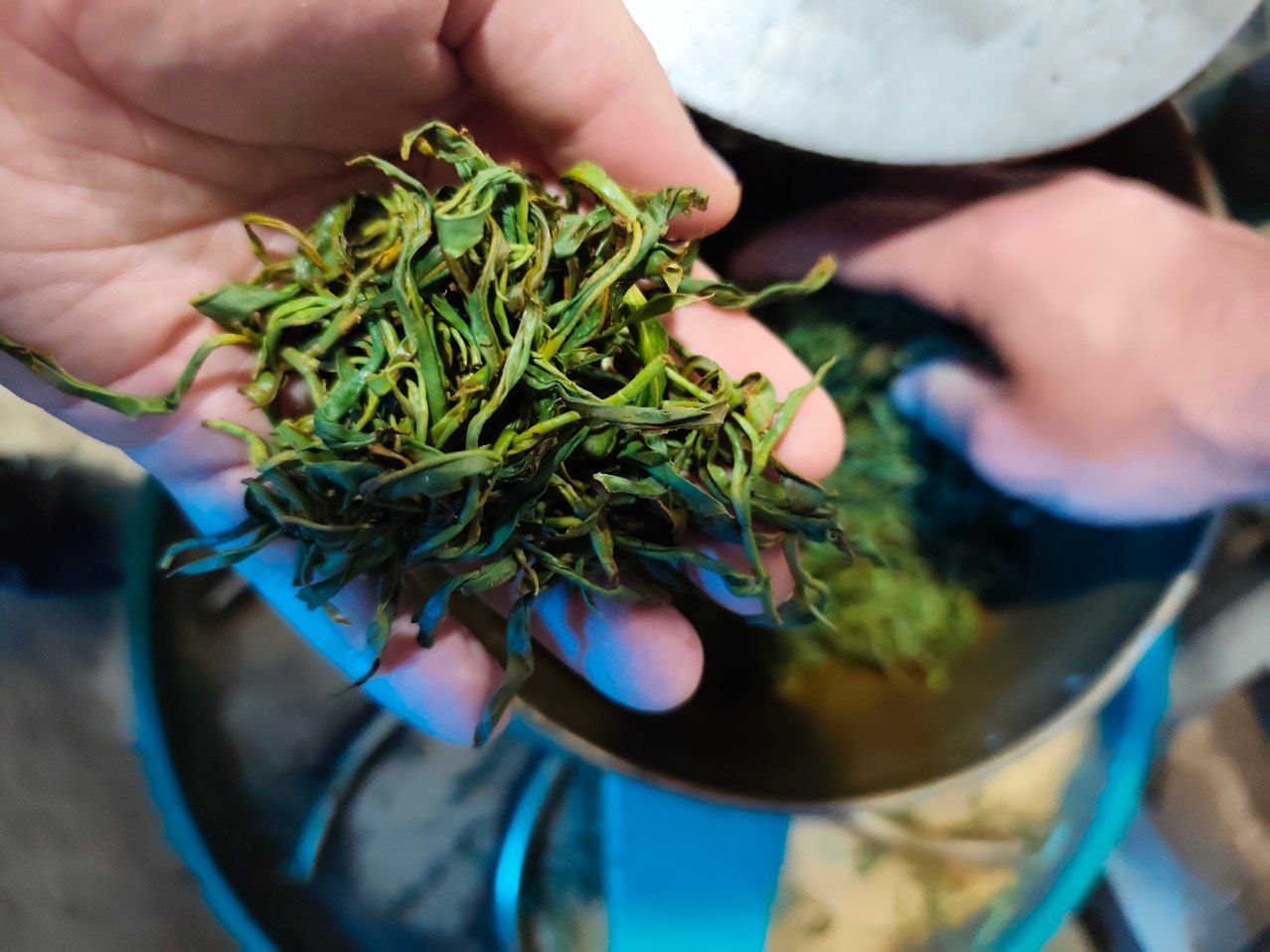
After a couple of hours, we collected the well-withered tea and placed it in a roller for crushing and rolling. Periodically, we stopped the roller and checked the tea's readiness.
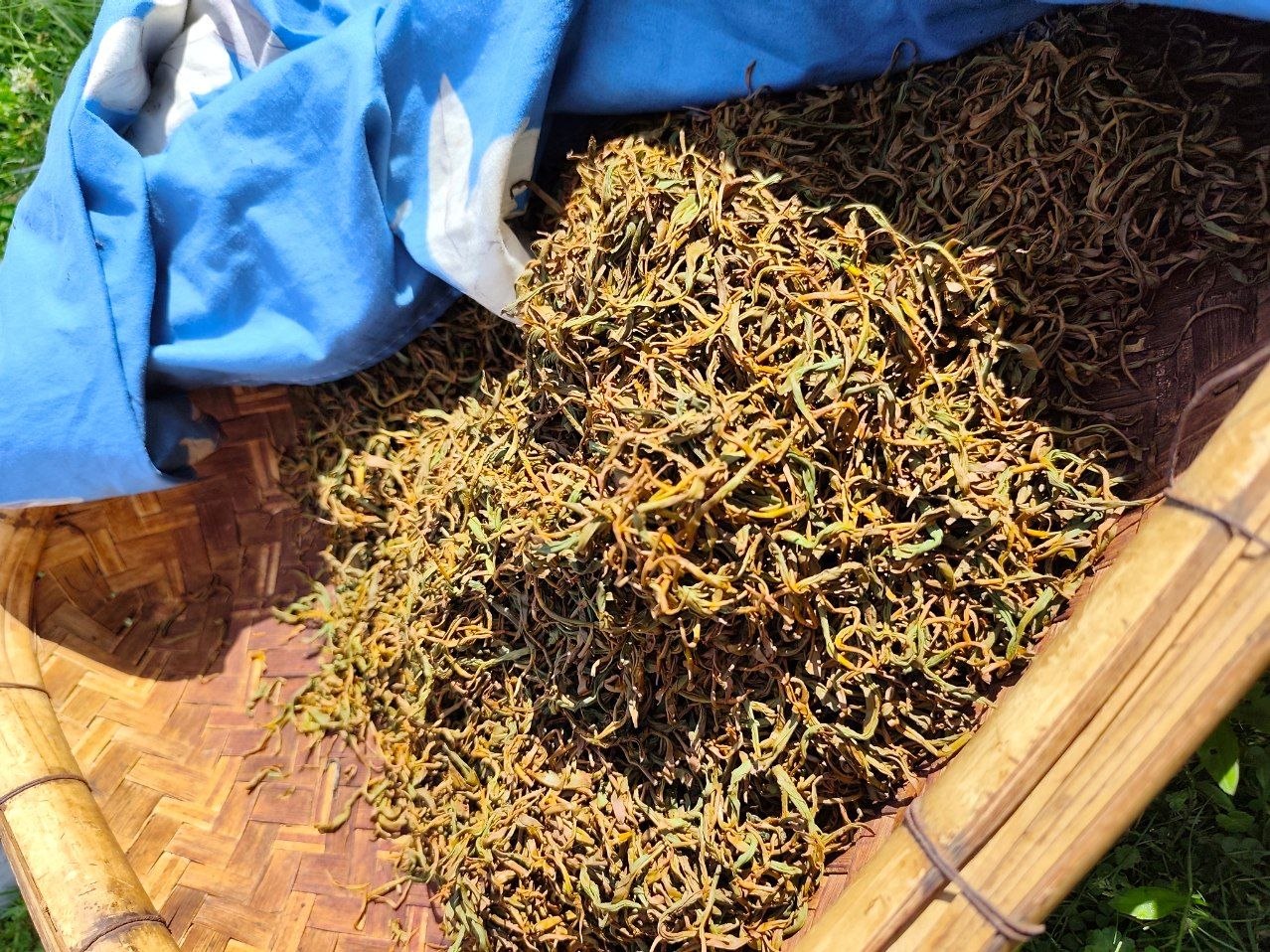
After the roller, we placed the tea in a bamboo basket and covered it with a damp cloth to ferment, and went to have lunch in the factory canteen.
The chefs prepared a variety of Megrelian dishes for us: corn cakes, mamalyga, ajapsandali, pickles, bread, and khachapuri. Of course, there was also an offer of homemade cognac, dried persimmons, toast, and plenty of extras.
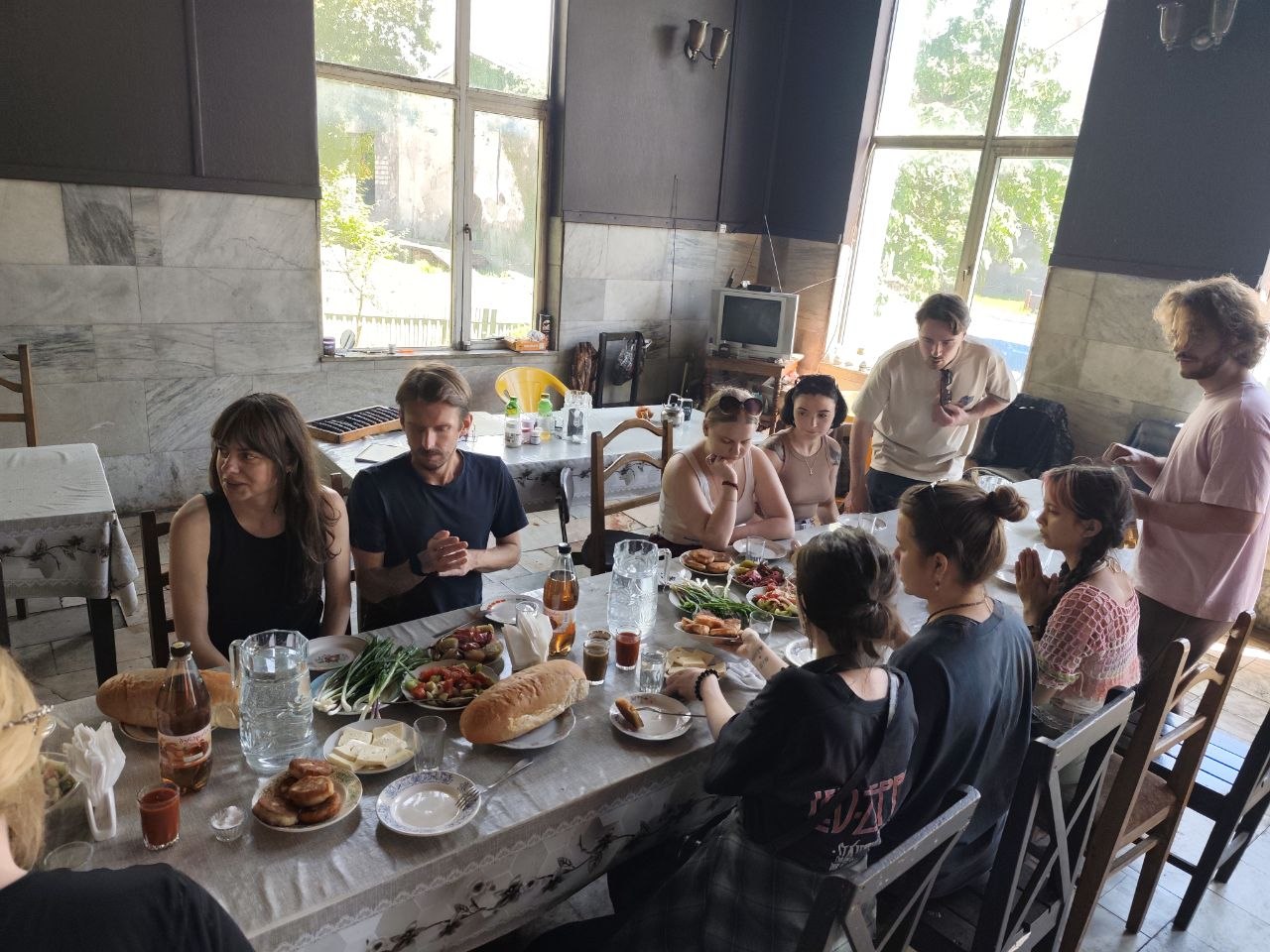
Having eaten our fill and received a bag of food to take with us, we loaded into the cars and drove to the tea gardens to touch the bushes with our hands and collect fresh leaves.
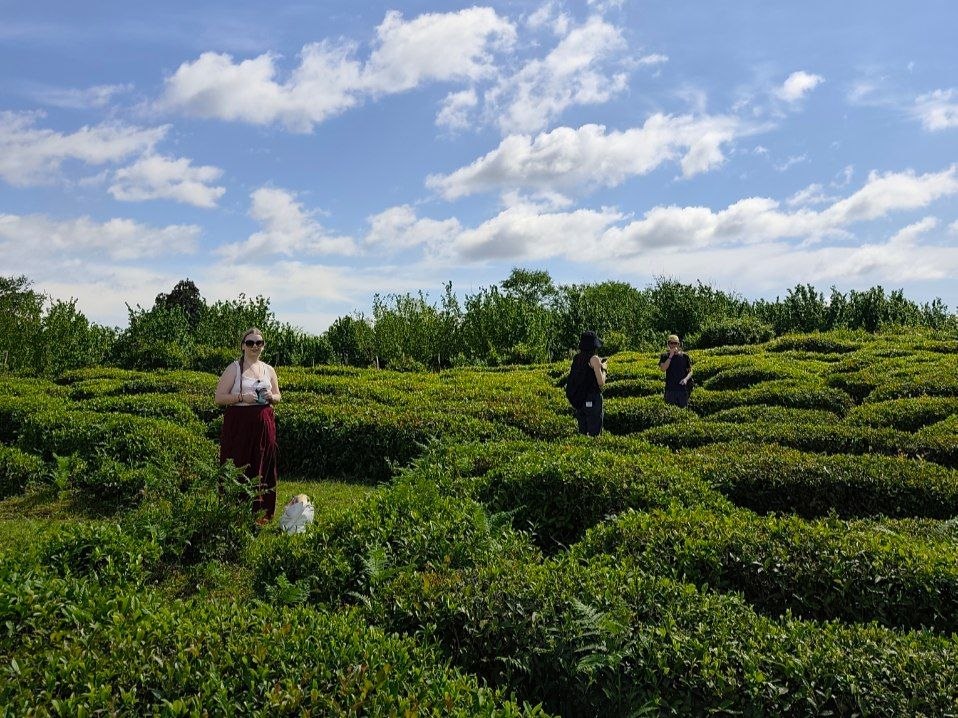
Tea picking is a very pleasant and meditative experience. The tea technologist demonstrates which types of tea should be picked—those with one, two, or three leaves. Then the tea picker takes a bag and walks along the rows of bushes, plucking the most tender tea leaves.
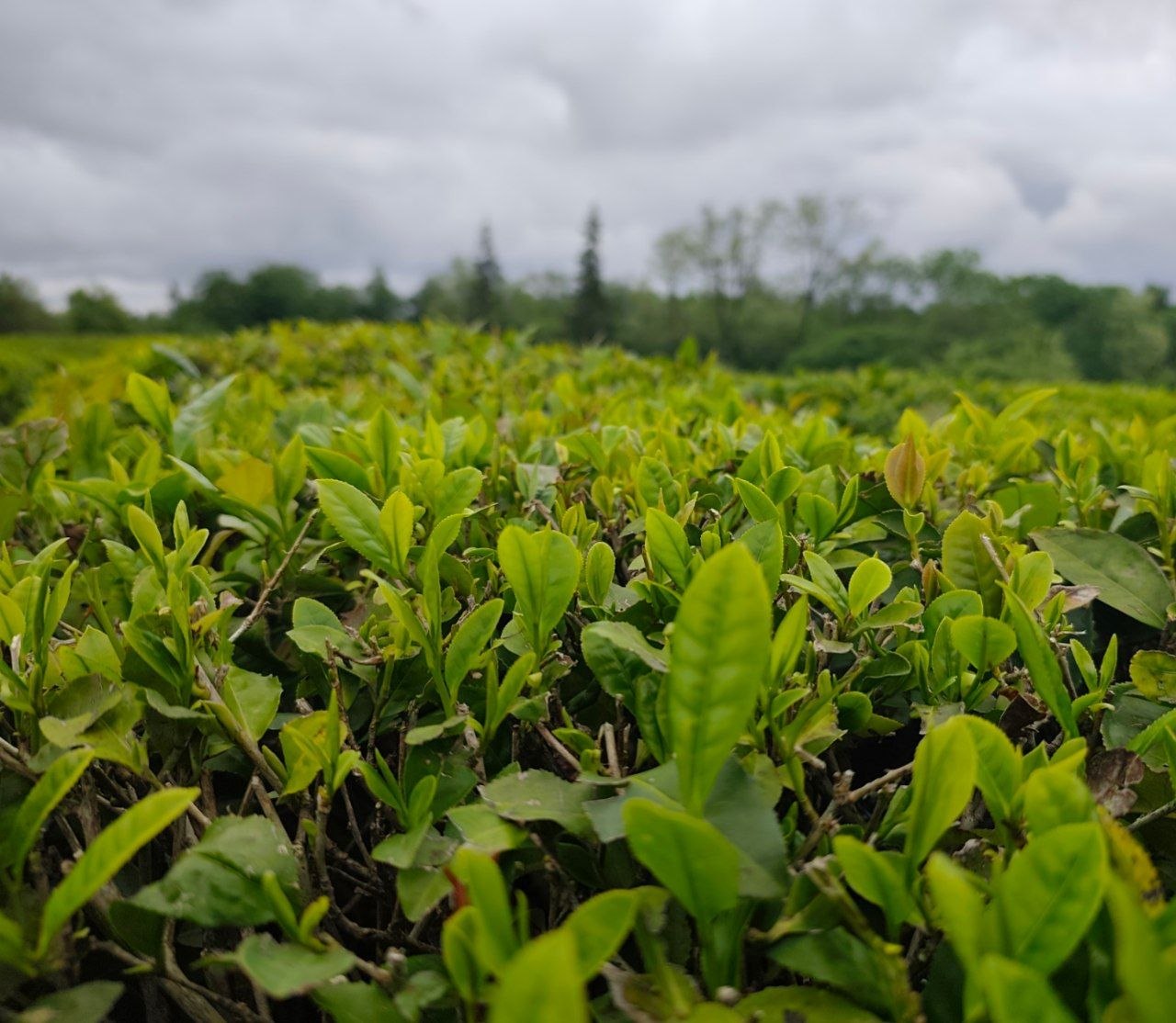
In an hour, you can develop the skill to pick tea with both hands. But to achieve the high speed with which professional tea pickers pick leaves, you need hundreds of kilogramms of picked tea under your belt.
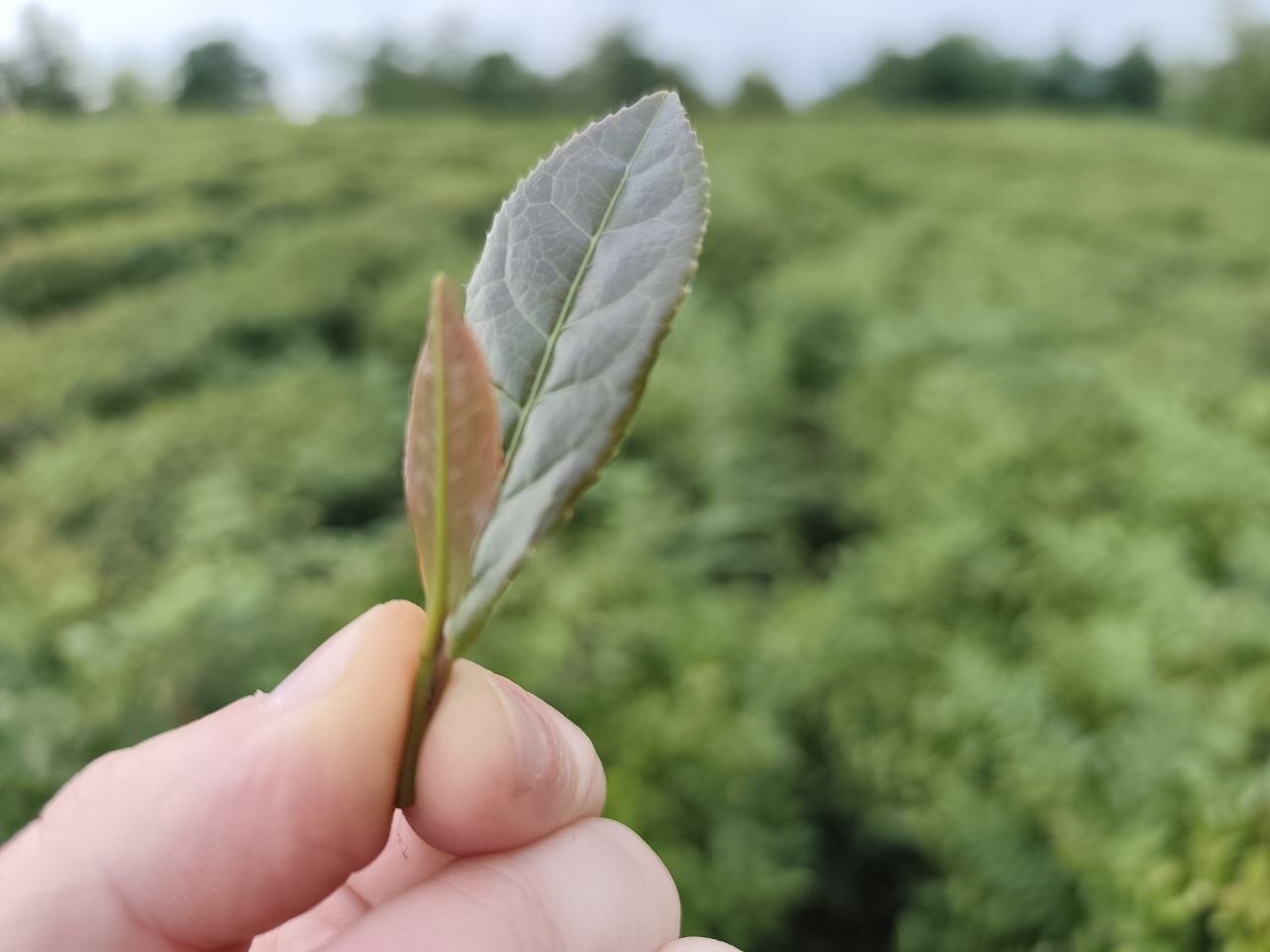
We scattered around the small garden and set about pruning the bushes.
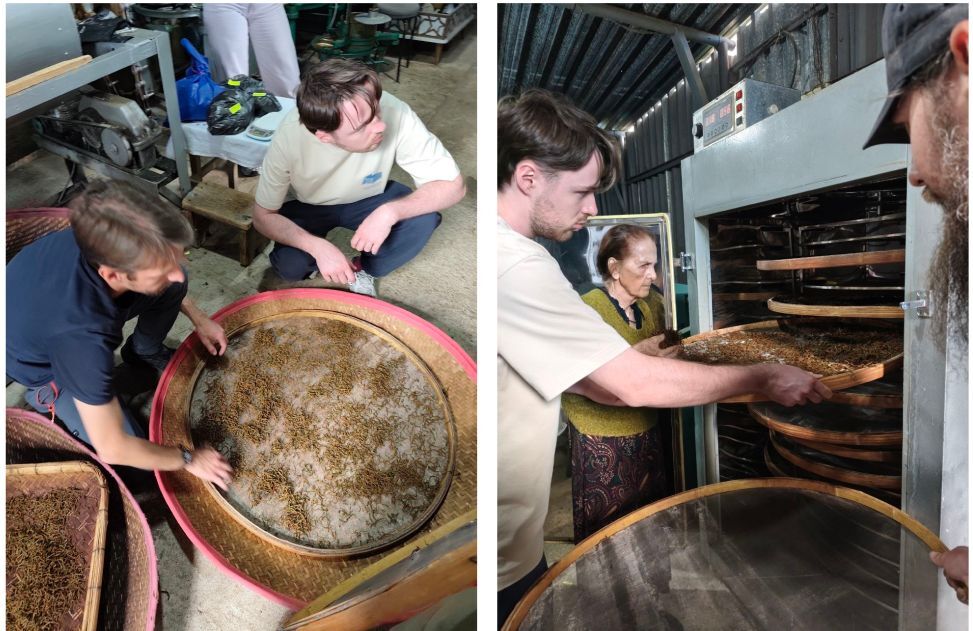
After a while, Boris pulled us away from this engrossing task and led us back to the factory, where the fermented tea, with its distinctive aroma, was waiting for us. We spread it out on pallets and sent it to the drying oven.
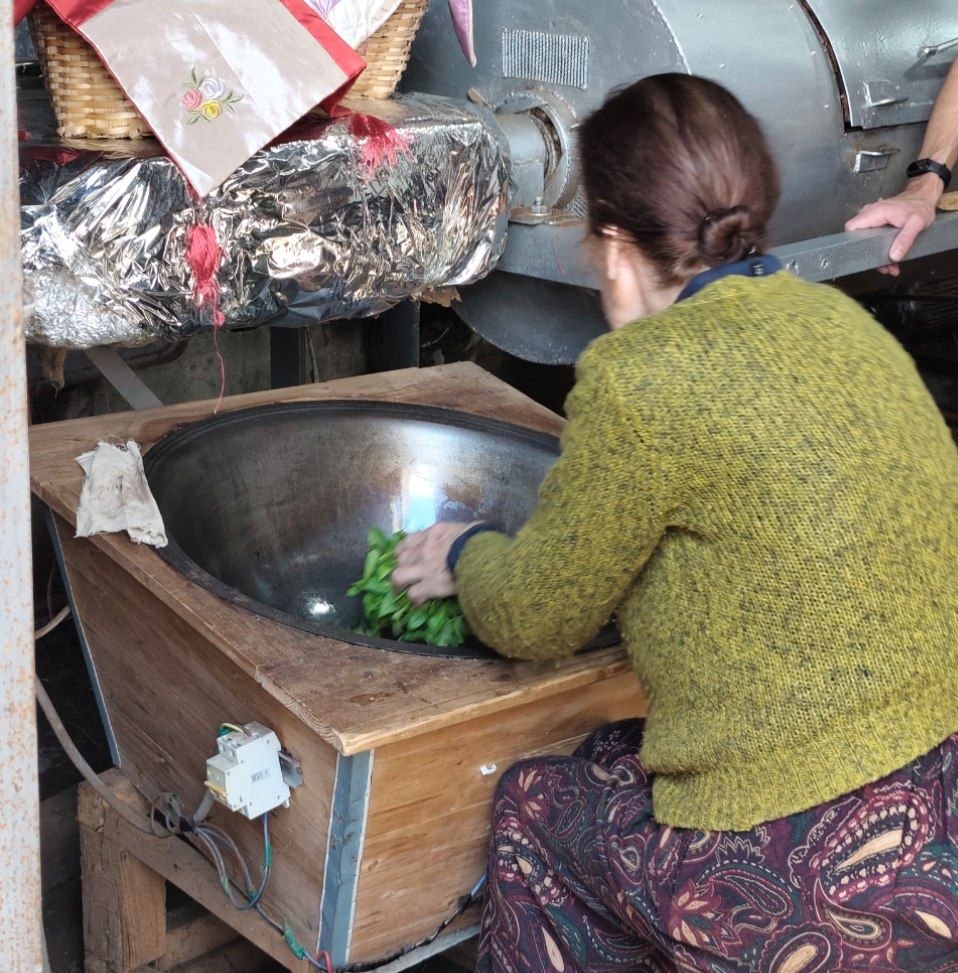
And then, as a bonus, Nargiza and Boris showed us how to pan-fry in a tea wok the tea we had picked.
Since we’d tried every single one of Nargiza’s teas that day, everyone who wanted to placed an order so they could take as much home as possible. What’s half a kilo of Lunjing Megruli, made right in front of you? In a flash, all that’s left is a sweet, floral scent...
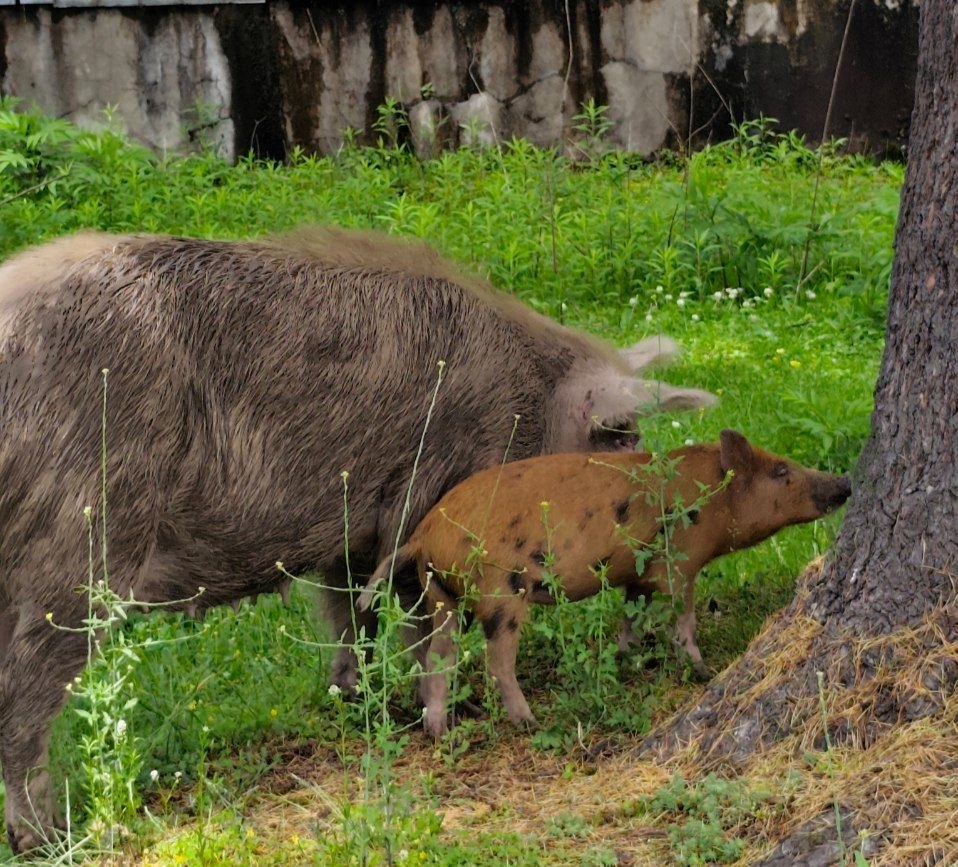
Meanwhile, pigs were rooting around the factory
On Sunday, now feeling like seasoned factory visitors, we went back to the factory, packed up the tea, received our souvenirs, and picked up the tea we’d ordered on Saturday. Nargiza also came to say goodbye to us.
After that, we went our separate ways: some went hiking to the waterfalls, others went to see the Birtvisi Canyon, and our tea master and tour guide headed back to his home near Batumi. And we all took home bags of fragrant, complex, and deeply flavorful fresh tea, made under the guidance of a true master.
Like any art form, the production of high-quality tea relies on enthusiasm. Georgian tea cultivation began with a joint venture between a Scottish prisoner-of-war officer and a Georgian prince with a passion for agricultural experiments, and continued through the efforts of a Russian merchant and an adventurous Chinese technologist from a long line of tea experts. Georgian tea won first place at the Paris Agricultural Exhibition in the 19th century and was the beverage of choice for most of the Soviet Union in the 20th century. Today, it is experiencing a new renaissance thanks to the efforts of people who value quality they can be proud of.
It was incredibly fascinating to get a glimpse of that world and take a little piece of it home with me.

As the trip organizer, I would like to note that the trip was not without its challenges.
- The weather forecast had been predicting thunderstorms, downpours, rain, wind, and other acts of divine retribution for the entire previous month. But knowing that rain isn’t something to be afraid of, we decided to go anyway — and were rewarded with beautiful weather all weekend.
- On Friday, the local tea pickers refused to pick tea for us, claiming it hadn’t rained. As a result, the four of us spent Friday evening picking tea until dark, gathering enough to make tea for everyone, but it was less than we had expected.
- The group traveling by minibus on Friday evening missed the second-to-last bus, which had left earlier, and the last one was simply canceled. In the end, they found an alternative route and heroically arrived in Zugdidi on a bus from Batumi at 4 a.m. Fortunately, you can call a taxi from Zugdidi to Tsalendzhikha at any time, and the hotel owner arranged for self-check-in.
No amount of planning can curb local customs and the love of freedom. But we managed it, and we can honestly be proud of that.
If you'd like to join us on our next adventure, please contact us and follow our channels.
Have a great trip and enjoy some delicious tea!
Acknowledgments
Thank you to Nargiza and her assistant, who welcomed our boisterous group, served us tea, and were kind enough not to be too strict with us.
Thanks to Boris for the tour, for coming up with the idea for this trip, and for organizing it.
Thank you to our guests and the Tea Forest Adventures community for your organization, coordination, recommendations, likes, and support.
Here are some other articles about Nargiza
Special thanks to the “I Want to Go Home” project for its film “How Georgian Tea Is Made.”
Links